Reading List
Books that shaped how I lead teams, write code, and approach design. Each one connects to real decisions I've made in my career.

Accelerate
Nicole Forsgren, Jez Humble & Gene Kim
The DORA metrics from this book directly shaped how I overhauled CI/CD practices at Vivint - measuring lead time, deployment frequency, and change failure rate to drive real improvement.

Joy, Inc.
Richard Sheridan
This book influenced how I build team culture - the idea that joy at work isn't a perk, it's a business strategy. It's why I prioritize psychological safety in every team I lead.
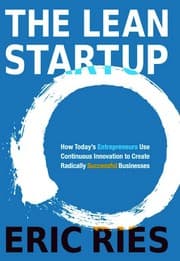
The Lean Startup
Eric Ries
Build-measure-learn isn't just startup advice - I've applied lean validation to enterprise projects, shipping MVPs at Velosimo and Vivint to prove value before committing full resources.
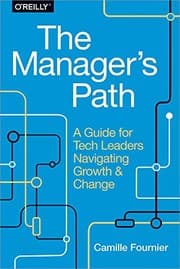
The Manager's Path
Camille Fournier
The definitive guide for the IC-to-manager transition. I reference this constantly when mentoring new engineering leads - especially the chapters on managing managers.

Radical Candor
Kim Scott
Care personally, challenge directly. This framework changed how I run 1:1s - my direct reports consistently cite honest, supportive feedback as what they value most.

The Pragmatic Programmer
David Thomas & Andrew Hunt
I've gifted this to more junior developers than any other book. The concept of 'tracer bullets' - building thin end-to-end slices - is how I approach every new architecture.
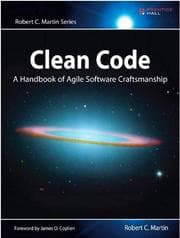
Clean Code
Robert C. Martin
The fundamentals never go out of style. Meaningful names, small functions, and the Boy Scout Rule are standards I hold every code review to - including my own.

Steal Like an Artist
Austin Kleon
Creativity isn't magic - it's remixing influences. This book gave me permission to blend my design background with engineering, which is how I approach everything from brand identity to UX.

The Design of Everyday Things
Don Norman
Affordances, signifiers, feedback - Norman's principles are why I obsess over making interfaces intuitive. If a user needs a manual, the design failed.
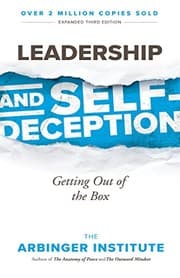
Leadership and Self-Deception
The Arbinger Institute
This book reframed how I think about conflict at work. When you see people as obstacles instead of people, you're 'in the box' - and every leadership failure starts there.

Who Moved My Cheese?
Spencer Johnson
Simple but powerful. I come back to this when leading teams through change - it's a reminder that adaptability isn't optional, and the ones who move first win.

The Anatomy of Peace
The Arbinger Institute
The companion to Leadership and Self-Deception. This one goes deeper into resolving conflict by shifting from a heart at war to a heart at peace - essential for leading through tension.
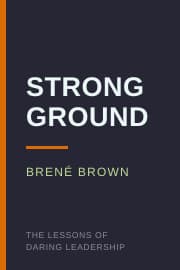
Strong Ground
Brené Brown
Brown's follow-up to Dare to Lead, drawn from taking 150,000+ leaders through her courage-building work. The insistence on holding paradox - being both accountable and kind, both decisive and open to being wrong - is the tension I navigate every week leading engineering teams.
Want to discuss any of these? I'm always happy to talk shop.
Start a Conversation